Solutions Hub
Backyard Flooding Repair for Heavy Rain and Spring Melt
Backyard flooding is the severe end of drainage failure, where large sections hold water after heavy storms. It can damage turf, hardscape edges, and nearby structures if left unresolved. Request a free quote.
Related Project Photos
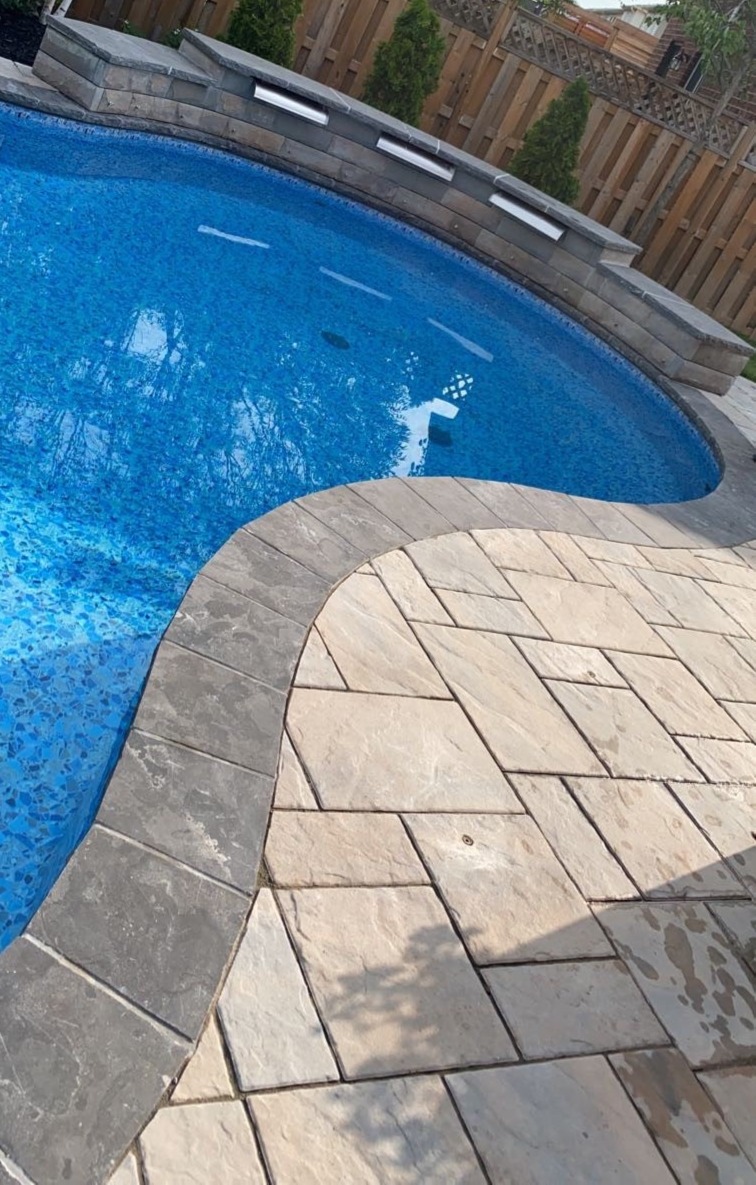
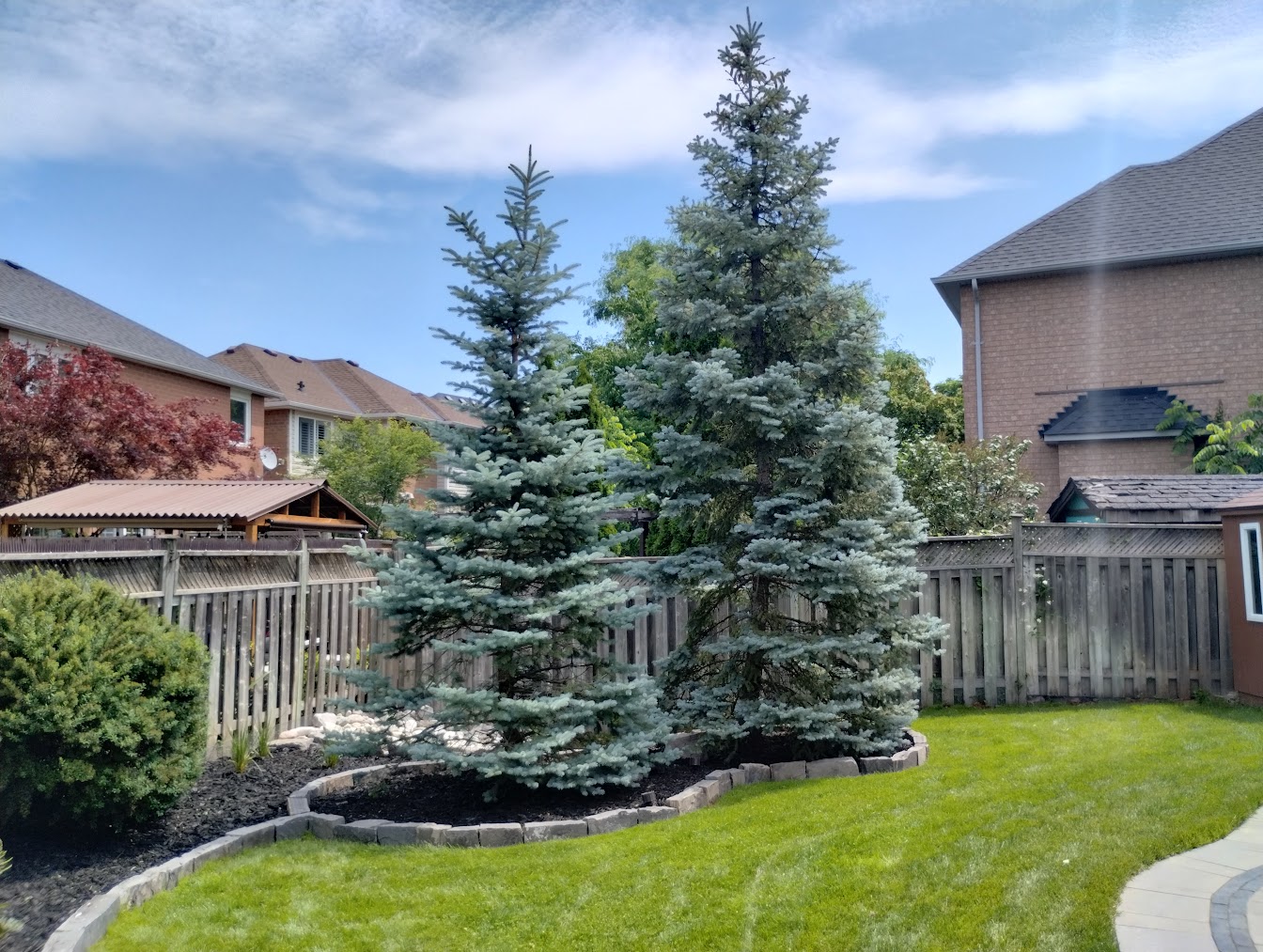

Problem Introduction
Backyard flooding is the severe end of drainage failure, where large sections hold water after heavy storms. It can damage turf, hardscape edges, and nearby structures if left unresolved.
Why This Problem Happens
Causes include low yard bowls, overloaded discharge points, blocked flow routes, and storm volumes that exceed existing drainage capacity. Clay soils further limit absorption during intense weather.
How Seven Stones Landscape Fixes It
We evaluate peak-event runoff, then apply layered corrections: grade adjustment, intake points, conveyance lines, and controlled outlet strategy. The goal is predictable drainage under real storm conditions.
Local Considerations
Hamilton and Stoney Creek lots with slope breaks can concentrate runoff quickly. Burlington and Oakville sites often need integrated downspout and yard grading strategy.
Related Services
- Interlock patios
- Retaining walls
- Sod installation
- Yard grading and drainage
- Concrete services
- Backyard renovations
City Pages
Before & After Case Example
A Hamilton backyard flooded repeatedly during summer storms. After grading correction and targeted collection, flood-depth pooling did not return.
Action Plan for Homeowners
For flood-prone backyards, the main objective is controlled movement, not temporary absorption. During peak events, soil infiltration alone is rarely enough, especially on clay-heavy lots in Hamilton and Stoney Creek. A resilient plan combines grade shaping, collection points, and reliable conveyance paths so water exits without undermining lawns, patios, or retaining structures. Homeowners gain faster recovery after storms and fewer emergency fixes over time.
Document when and where symptoms appear, especially after storms and spring thaw. Avoid repeated short-term patching until root causes are confirmed. A structured inspection and written scope helps prioritize high-impact corrections before cosmetic upgrades.
We build solution-first plans that align structural correction, drainage, and finish restoration. This prevents duplicated spending and improves long-term performance. If needed, projects can be phased by urgency and budget while preserving technical integrity.
Every lot behaves differently based on slope, subgrade, and existing hardscape. That is why two homes on the same street can require different methods. We design for site-specific behavior so repairs remain reliable through Ontario weather cycles.
When repairs are complete, we review adjacent surfaces and transitions to reduce new stress points. This integrated approach protects patios, driveways, lawns, and retaining features together instead of solving one issue while creating another.
Flood-prone yards benefit from event-based planning that accounts for peak rainfall behavior, not just light-rain appearances.
Designing for storm conditions reduces emergency cleanup, preserves landscape materials, and protects day-to-day backyard usability.
Frequently Asked Questions
Need Help With This Problem?
We provide practical local solutions across Hamilton, Burlington, Oakville, Ancaster, Dundas, Waterdown, Stoney Creek, and Milton.